Zanzibar has beaches, reefs and history, but no big game. If you want to see elephants, lions or giraffes on the same trip, the national parks of mainland Tanzania are a short flight away. This guide explains the main options for a safari from Zanzibar, from a single day to a week, and how to choose between them.
Two regions, two kinds of safari
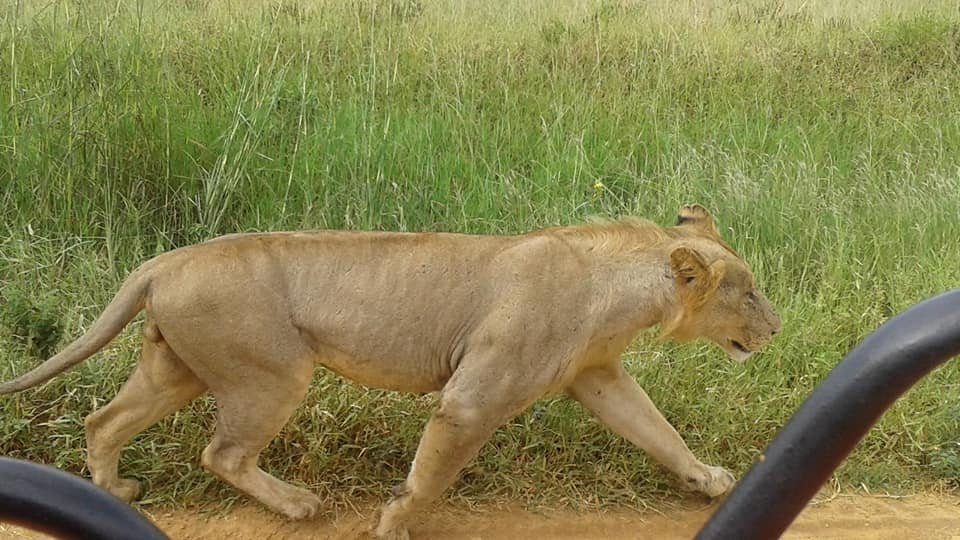
Tanzania’s safari areas are usually grouped into a southern circuit and a northern circuit. The southern parks, Mikumi and Selous, are the closest to Zanzibar. The northern parks, Serengeti, Ngorongoro and Tarangire, are further away but famous for their scenery and wildlife.
Mikumi National Park
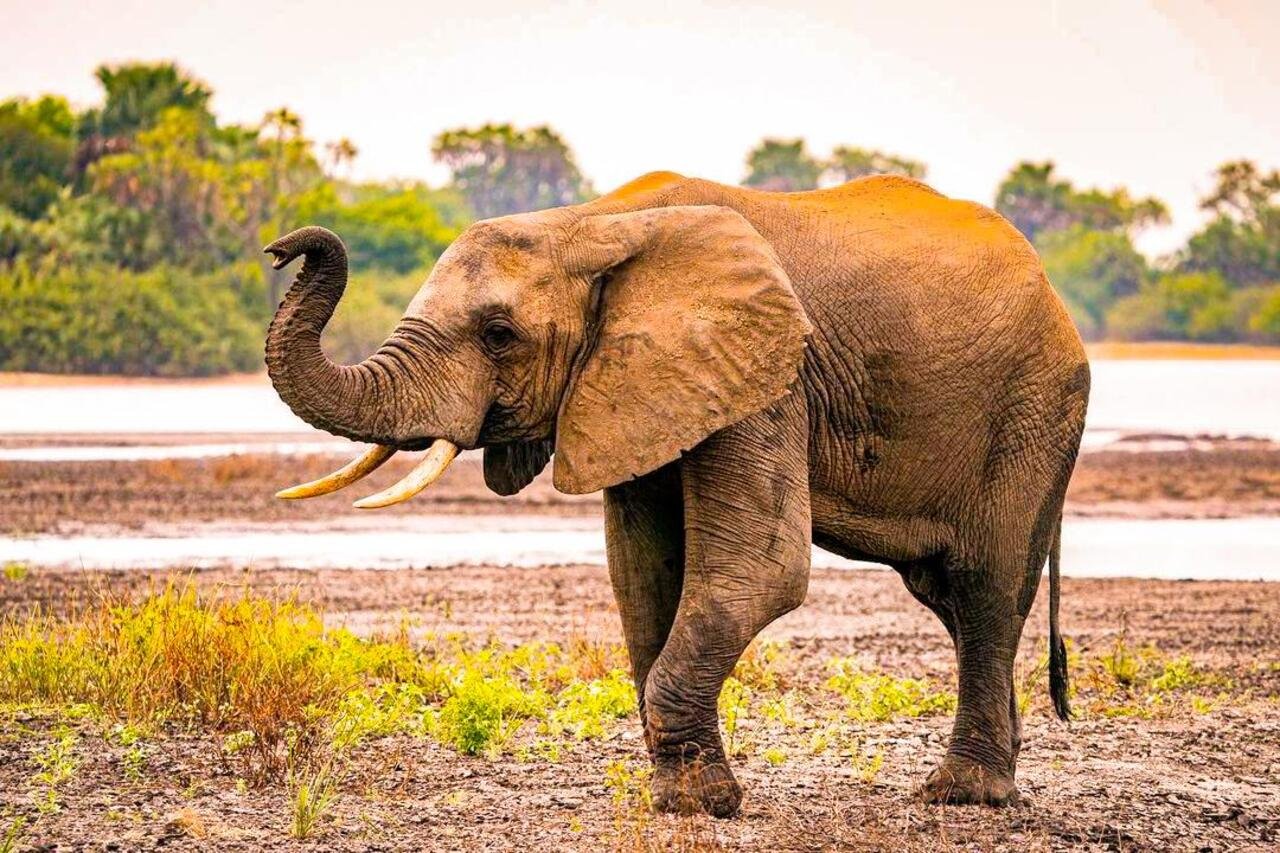
Mikumi is a savannah park with open plains, baobab trees and wildlife that includes elephants, giraffes, zebras and hippos. It is the easiest park to fit into a short trip. We offer a day trip to Mikumi, a 2-day, 1-night Mikumi safari and a 3-day, 2-night safari by boat and train.
Selous and Nyerere
The Selous Game Reserve is one of the largest protected areas in Africa. Its northern part is now Nyerere National Park, although many people still use the name Selous. The Rufiji River runs through it, which makes boat safaris a highlight alongside game drives. Our options include a fly-in day trip to Selous, a 2-day, 1-night Selous safari and a 3-day, 2-night Selous safari.
Ngorongoro, Tarangire and Serengeti
For the classic northern circuit, most travellers fly from Zanzibar to the Arusha region and continue by road.
- Ngorongoro Crater is a huge volcanic caldera with a high concentration of wildlife on its floor.
- Tarangire National Park is known for its elephants and baobab trees.
- Serengeti National Park is the home of the great wildebeest migration and vast open plains.
Choose from a 2-day Ngorongoro and Tarangire safari, a 3-day fly-in safari, a 4-day Serengeti and Ngorongoro safari or a 5-day safari covering Serengeti, Ngorongoro and Tarangire.
How many days do you need?
- One day: a day trip to Mikumi or a fly-in day trip to Selous gives you a taste of a real safari, but it is a long day with an early start.
- Two to three days: enough for several game drives and a night in or near the park, in either the south or the north.
- Four to five days: the best choice if the Serengeti is the main reason you want to go.
When to go
The dry season from June to October is the classic time for wildlife viewing, because vegetation is thinner and animals gather near water. From November to May the landscape is greener, there are fewer visitors and the scenery is often better for photographs, but some roads and tracks can be harder to use. In the Serengeti, the timing of the wildebeest migration depends on the year, so ask when you enquire if the migration is your main goal.
What to bring
- Neutral-coloured clothing and a warm layer for early mornings
- A hat, sunscreen and sunglasses
- Binoculars and a camera with spare memory
- Insect repellent and any personal medication
- A small bag for the flight, as light aircraft often have baggage limits
What affects the price
Safari prices depend on the number of days, the park, the type of accommodation, park fees and the size of your group. A shorter trip to Mikumi or Selous usually costs less than a multi-day northern circuit trip. Ask for a quote with your dates and group size so you can compare like with like.
Safari etiquette and health
- Stay inside the vehicle unless your guide says it is safe to get out.
- Speak quietly and never feed wildlife.
- Follow your guide’s instructions near animals.
- Ask your doctor about malaria prevention and vaccinations well before you travel.
Plan your safari
Tell us how many days you have, who is travelling and what you most want to see, and we will suggest a safari that fits. Each tour page has a Request a price option, or you can send us a message or write on WhatsApp. If you are still choosing dates, read our guide to the best time to visit Zanzibar.